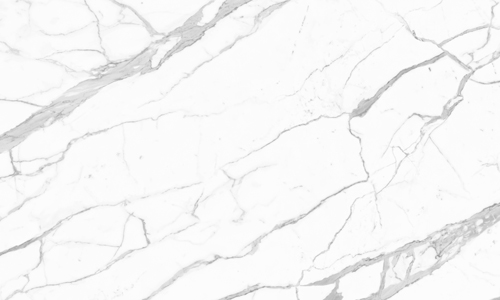
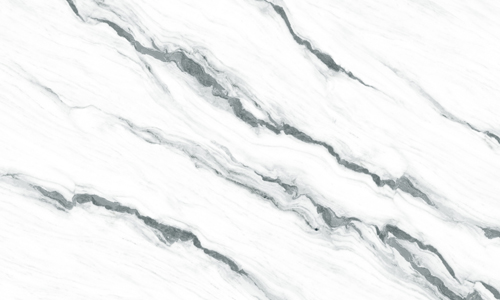
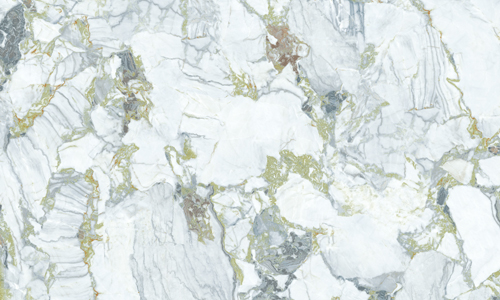


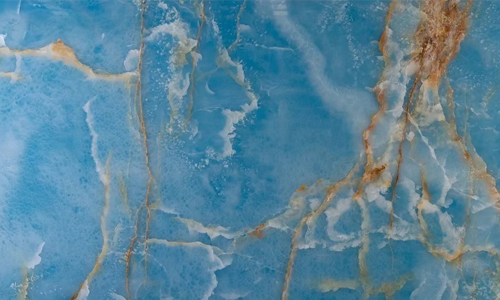
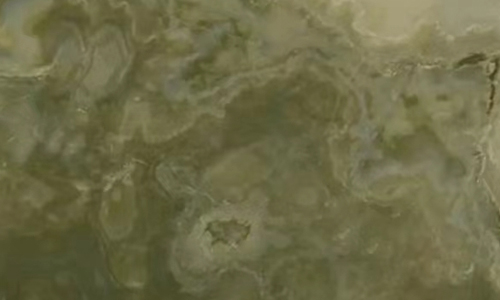
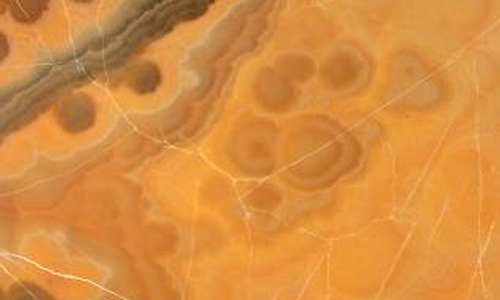
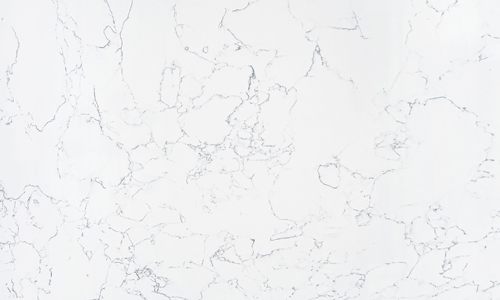
In the world of high-end interior design and architecture, one fundamental question often arises: what natural material seamlessly blends geological history, artistic beauty, and unmatched functionality? The answer lies in one of nature's most magnificent creations—marble. Understanding the very composition of marble not only reveals the source of its extraordinary qualities but also explains why marble countertops, marble floor tiles, and grand marble slabs have become the gold standard for defining luxurious spaces.
Geologically speaking, marble is a metamorphic rock primarily composed of recrystallized carbonate minerals, most commonly calcite or dolomite. It begins its life as limestone or dolomite sediment. Over millions of years, deep within the Earth's crust, these precursor rocks are subjected to immense heat and tremendous pressure. This transformative process—known as metamorphism—causes the minerals within to recrystallize, fuse, and reorganize. It is this very process that gifts marble its signature characteristics: the unique veining, the translucent glow known as "luminescence," and the vast array of colors and patterns. No two marble slabs are ever identical because each is a singular work of art forged by the Earth's own hands over eons.
This unique mineral composition and crystalline structure translate directly into marble's unparalleled practical and aesthetic value. When crafted into marble countertops or cut into marble floor tiles, the interconnected crystal network within the stone allows light to penetrate its surface and reflect back, creating that soft, captivating luster that synthetic materials strive to imitate. A high-quality marble slab is not merely a surface; it is a light source, brightening a kitchen or bathroom and making the space feel more open and airy. This innate light-reflecting property is a key reason why marble flooring is chosen to create luminous, inviting interiors.
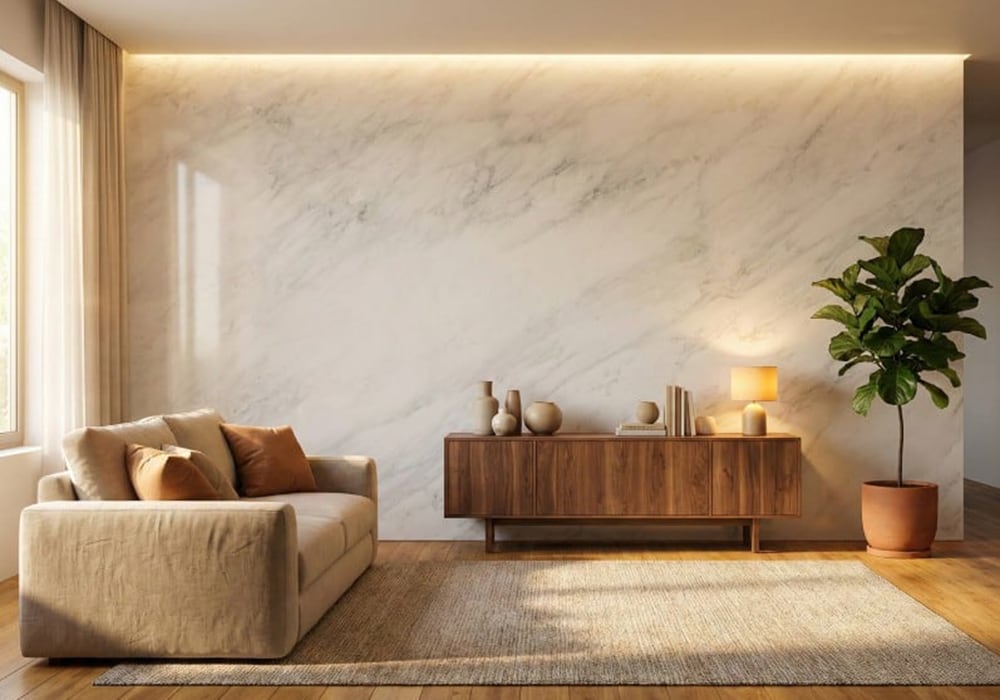
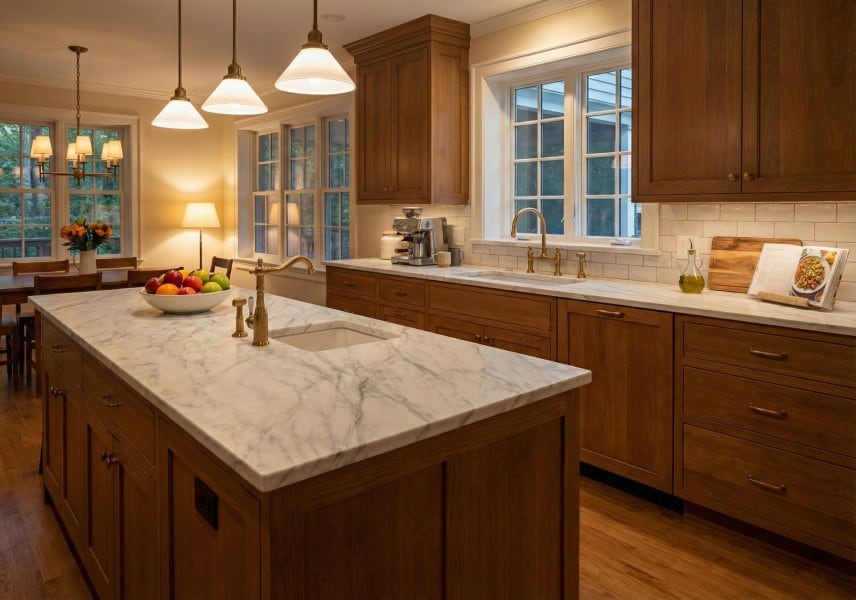

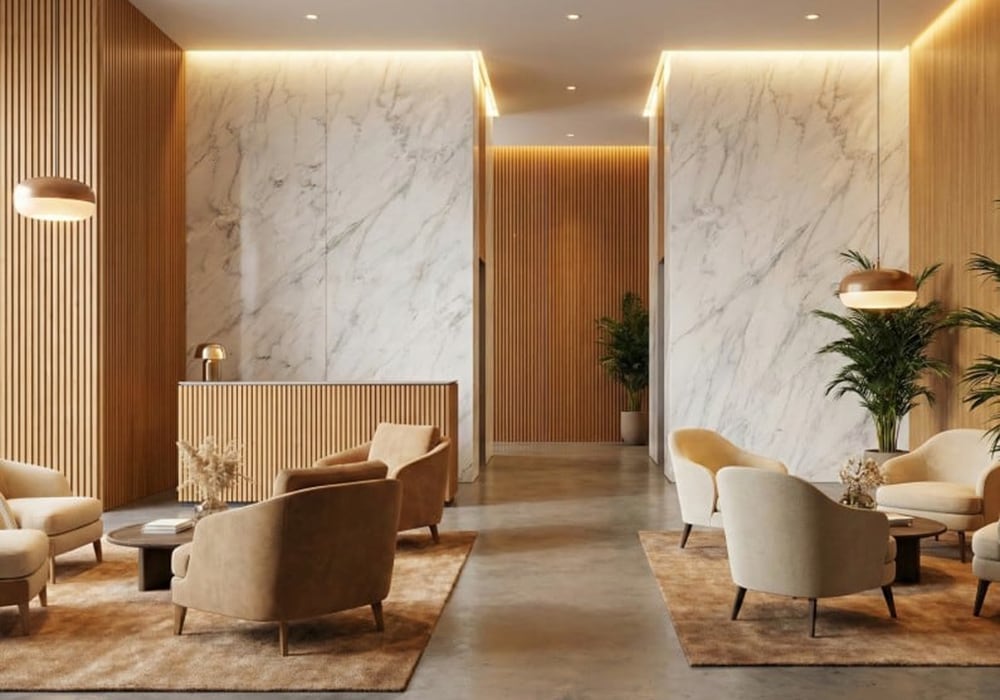
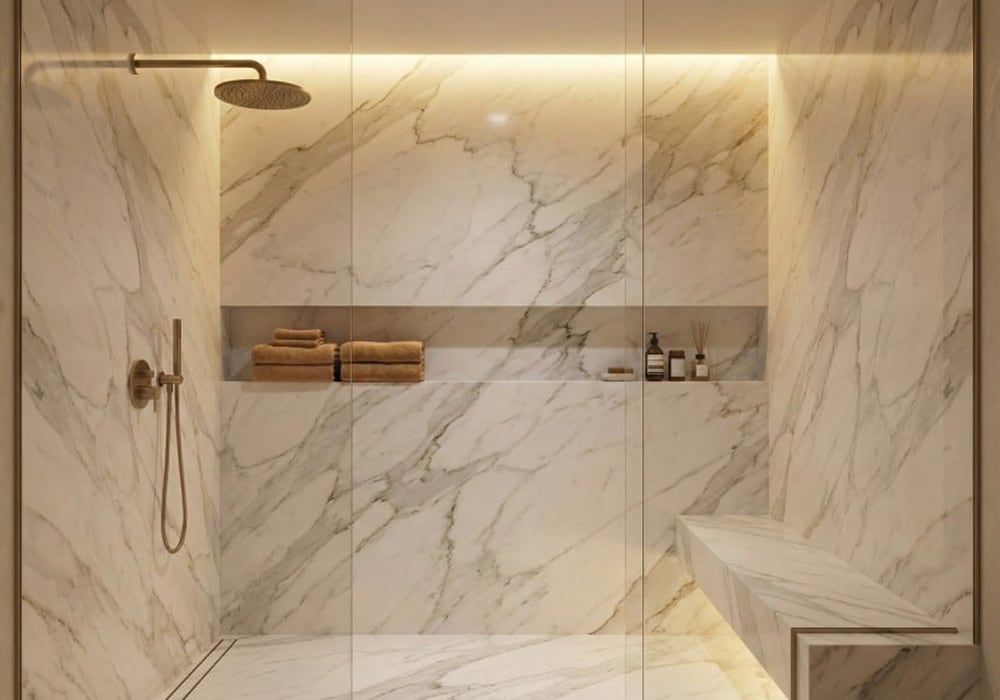
Yet, its appeal extends far beyond its appearance. The very constitution of marble also grants it remarkable durability when properly sealed and maintained. Its dense, interlocking crystalline structure makes it an ideal choice for marble countertops, capable of withstanding the rigors of daily use while maintaining its elegant demeanor. When used for marble flooring, whether in a residential foyer or a luxury hotel lobby, its inherent strength ensures lasting beauty. Opting for large-format marble floor tiles can minimize grout lines, showcasing the stone's natural veining in a continuous, flowing expanse of luxury.
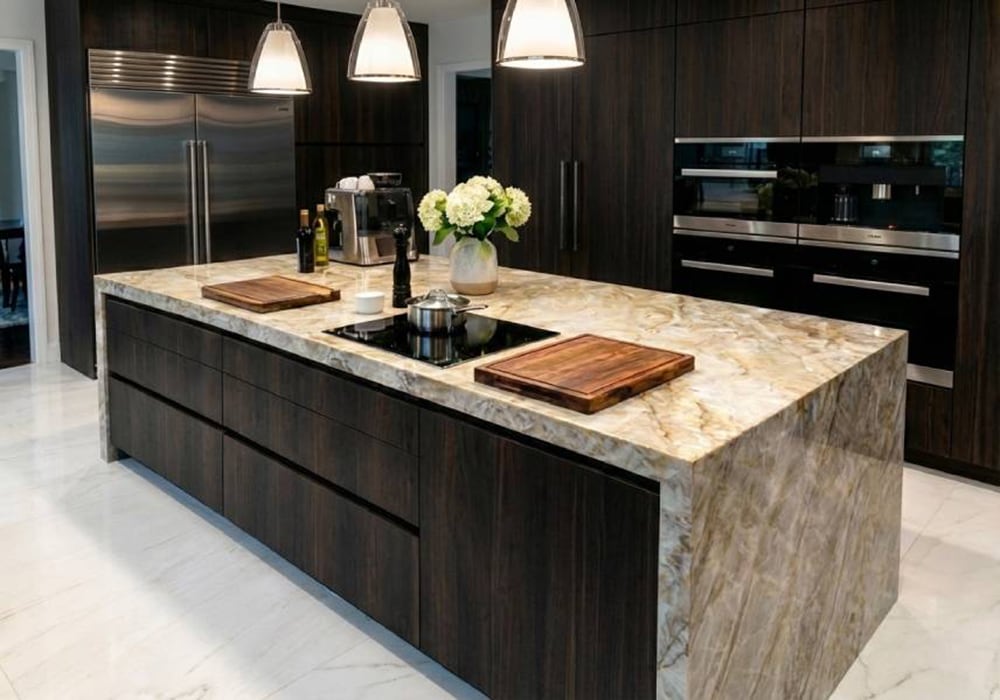
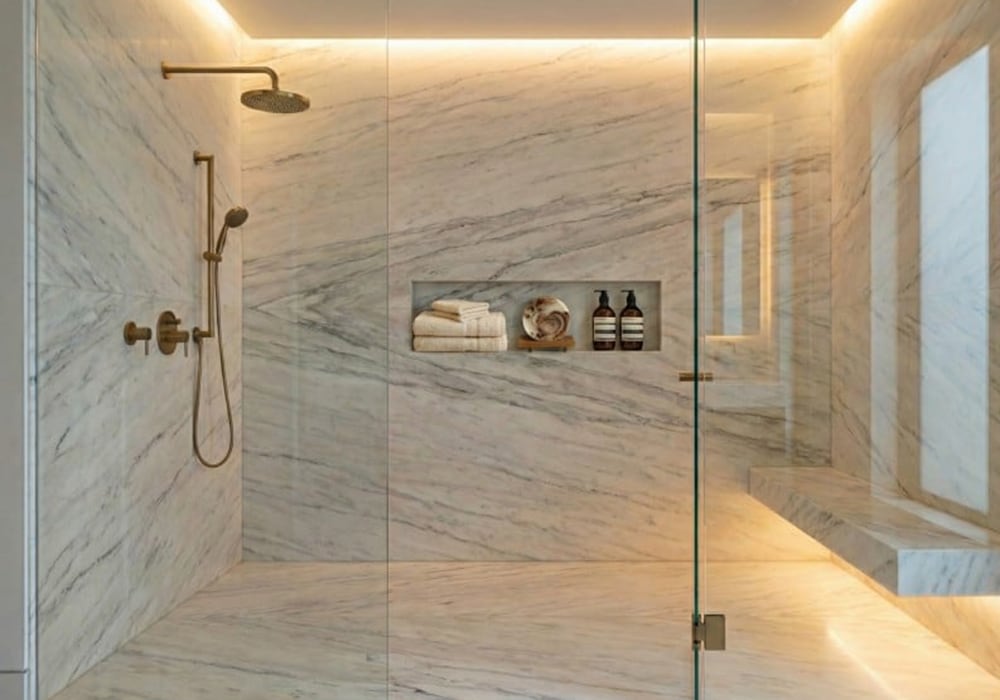
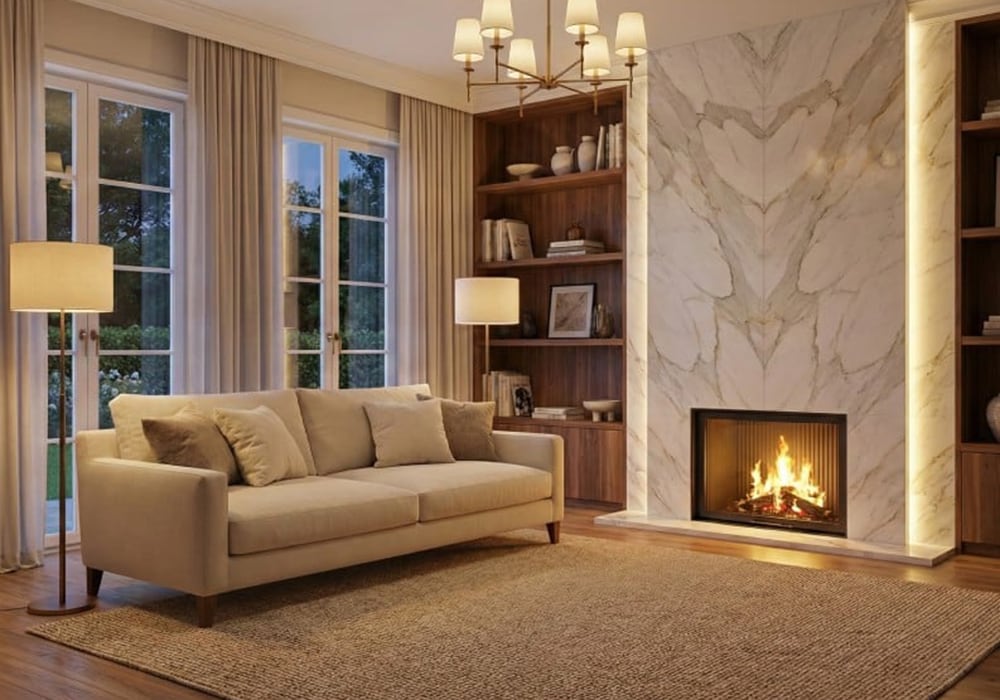
Recognizing the preciousness of its origin allows for a deeper appreciation of why marble stands out in its applications. A carefully selected and fabricated marble slab can become the centerpiece of a home as a stunning kitchen island marble countertop, or a statement reception desk in a commercial space. Similarly, marble floor tiles are not just a surface to walk on; they are a design statement that sets the tone for an entire space. From expansive marble flooring to elegant wall cladding, its versatility is unmatched.
Therefore, investing in marble—whether for marble countertops or marble flooring—is, at its core, an investment in a piece of natural history, an aesthetic that never fades, and a quality that endures for generations. The unique geological story told by every single marble slab ensures your space possesses an irreplaceable character and depth.