



White Wood Grain Tiles: The Smart Flooring Choice for Modern Living
Introduction
Flooring defines a space. It affects how a room feels, how it functions, and how it ages over time. Among the many flooring options on the market today, white wood grain tiles have gained remarkable popularity. These tiles offer the visual warmth of timber combined with the durability and ease of maintenance that ceramic and porcelain tiles are known for. In this article, we will examine why these tiles are an excellent choice for both residential and commercial projects. We will compare these tiles with other popular materials like marble and artificial stone. We will also discuss the practical advantages of tiles over natural stone and marble flooring. Our top-down floor photograph showcases these tiles in a real installation, giving you a clear view of their texture, color, and finish. Whether you are an architect, a designer, or a homeowner, this guide will help you understand why white wood grain tiles deserve a place in your next project.
 Video<< White wooden tiles in factory
Video<<Water proof treatment & test
1. What Are White Wood Grain Tiles?
White wood grain tiles are ceramic or porcelain products designed to replicate the appearance of natural wood planks. Advanced digital printing technology creates highly detailed grain patterns that mimic oak, ash, or pine. The color palette ranges from pure white to warm off-white, making these tiles suitable for a variety of interior styles. Unlike real wood, these tiles are resistant to moisture, scratches, and stains. They do not warp, cup, or expand with changes in humidity. This makes tiles a reliable choice for kitchens, bathrooms, and other high-moisture areas. The surface of these tiles is typically matte or semi-gloss, providing a natural feel underfoot. Our top-down photograph reveals the fine details of these tiles, including the subtle knots and grain lines that give them an authentic wood-like appearance.
2. Why Tiles Outperform Traditional Flooring Materials
When selecting flooring, tiles offer several distinct advantages over other materials. First, tiles are extremely durable. They can withstand heavy foot traffic, dropped objects, and furniture movement without cracking or chipping. Second, tiles are waterproof. This is a critical feature for spaces like entryways, laundry rooms, and bathrooms. Third, tiles are easy to clean. A simple sweep and mop routine keeps tiles looking new for years. Fourth, tiles are hygienic. They do not harbor dust mites, mold, or bacteria, making tiles a healthy choice for allergy sufferers. Fifth, tiles are fire-resistant. Unlike wood or carpet, tiles do not burn or emit toxic fumes. Sixth, tiles are available in countless designs, sizes, and finishes, giving you maximum creative freedom. White wood grain tiles, in particular, combine the aesthetic of wood with the performance of tiles, offering the best of both worlds.
3. White Wood Grain Tiles vs. Marble
Marble has been a symbol of luxury for centuries. Its natural veining and cool surface are admired in grand buildings and elegant homes. However, marble is not without its drawbacks. Marble is porous, which means it absorbs liquids and stains easily. A spilled glass of red wine or a splash of lemon juice can permanently damage marble. Marble is also soft and prone to scratching. High heels, pet claws, and moving furniture can leave marks on marble that are difficult to repair. Furthermore, marble requires regular sealing and professional polishing to maintain its appearance. These maintenance costs add up over time, making marble flooring a significant long-term investment.
In contrast, white wood grain tiles offer the refined look of a light-colored floor without the fragility of marble. These tiles are sealed and glazed during manufacturing, creating a protective surface that repels stains, moisture, and scratches. You can enjoy the elegance of marble flooring without the constant worry of damaging your floor. Tiles are also more affordable than marble. The material cost of tiles is significantly lower, and installation is simpler and faster. When you compare the lifecycle costs of tiles and marble flooring, tiles clearly come out ahead. For homeowners who desire a luxurious aesthetic but want a practical, low-maintenance solution, white wood grain tiles are an ideal alternative to marble.
4. White Wood Grain Tiles vs. Artificial Stone
Artificial stone is another material that often appears in discussions about modern surfacing. Artificial stone is made by combining crushed natural stone with polymer resins and pigments. The result is a dense, non-porous material that is commonly used for countertops, vanities, and wall cladding. Artificial stone offers excellent stain resistance and durability in those applications. However, artificial stone is rarely used for flooring. There are several reasons for this. First, artificial stone is heavy and rigid, making it difficult to cut and install on large floor areas. Second, artificial stone can be slippery when wet, posing a safety hazard. Third, artificial stone does not offer the same variety of textures and patterns as tiles. While artificial stone excels in vertical applications, tiles are the more versatile choice for floors.
Moreover, artificial stone tends to be more expensive than tiles. The resin content and manufacturing complexity drive up the cost of artificial stone. For large flooring projects, artificial stone is simply not cost-effective. White wood grain tiles, on the other hand, are affordable, lightweight, and easy to install. They offer a wood-like aesthetic that artificial stone cannot replicate. When you consider performance, price, and design flexibility, tiles are the superior option. Artificial stone may have its uses, but for flooring, tiles remain the industry standard.
5. Natural Stone and Tiles: A Practical Comparison
Natural stone includes materials like granite, limestone, slate, and marble. Each type of natural stone has unique characteristics, but they all share certain common traits. Natural stone is quarried from the earth, which means every piece is unique. This uniqueness can be desirable, but it also creates challenges in color matching and consistency. Natural stone is also porous to varying degrees. Even dense stones require sealing to prevent staining, and the sealant must be reapplied periodically. Over time, natural stone can develop a patina that some find charming but others view as wear. In high-traffic areas, natural stone floors may show signs of aging sooner than expected.
Tiles, by contrast, are engineered for uniformity and performance. They do not require sealing, they resist scratches and stains, and they maintain their original appearance for decades with minimal effort. White wood grain tiles offer a clean, contemporary look that rivals the elegance of natural stone but without the upkeep. Our floor photograph shows how these tiles remain pristine despite repeated foot traffic. This is the kind of reliability that natural stone often cannot guarantee. When you choose tiles, you choose predictability, durability, and ease of maintenance.
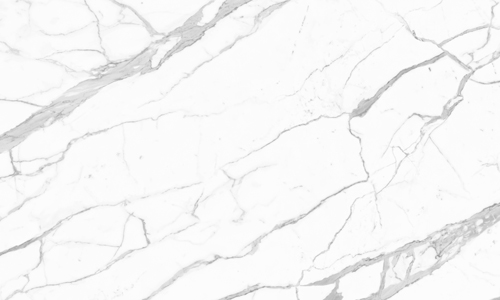
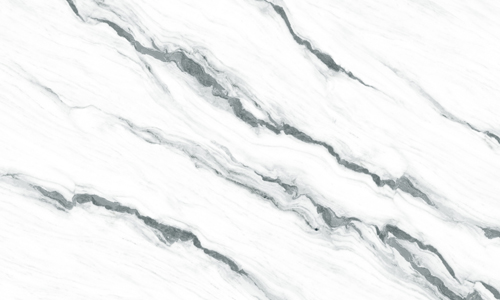
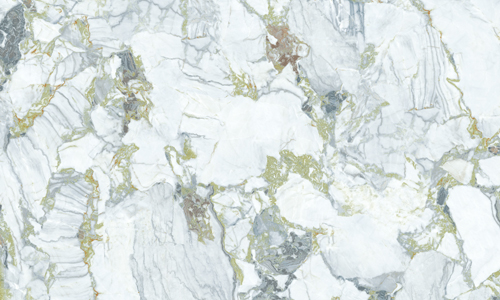
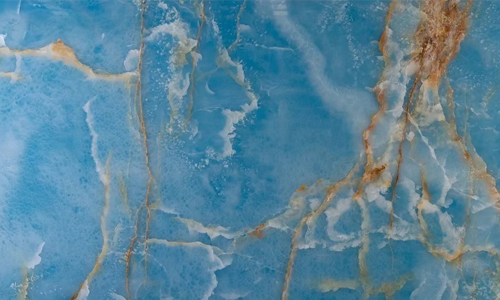
White Wooden Marble
White Wooden Marble
6. Technical Features of White Wood Grain Tiles
Let us examine the technical properties of these tiles in detail. Understanding these characteristics will help you appreciate why tiles are superior to marble and artificial stone in many applications.
Water Absorption: These tiles have a water absorption rate of less than 0.5%. This classifies them as porcelain tiles. The extremely low porosity means that water, oils, and chemicals cannot penetrate the surface. This is essential for wet areas like showers, mudrooms, and kitchens. Marble, in contrast, has a much higher absorption rate, making it vulnerable to staining.
Abrasion Resistance: The glaze on these tiles is rated Level 5 on the PEI scale. This is the highest classification for residential and light commercial use. These tiles will not wear down even under heavy traffic. Marble and artificial stone often show wear more quickly in similar conditions.
Slip Resistance: Depending on the finish, these tiles offer a coefficient of friction between 0.6 and 0.8. This is considered safe for most interior applications. For wet areas, we recommend a matte finish to enhance grip. Marble and artificial stone can become slippery when wet.
Thermal Stability: These tiles can withstand temperature fluctuations without cracking. They are ideal for use with radiant floor heating systems. Marble and artificial stone are also thermally stable, but they do not conduct heat as efficiently as porcelain tiles.
Chemical Resistance: The glazed surface of these tiles resists household chemicals, including bleach, ammonia, and mild acids. This makes cleaning simple and worry-free. Marble is sensitive to acidic cleaners, which can etch the surface.
7. What Our Top-Down Photograph Reveals
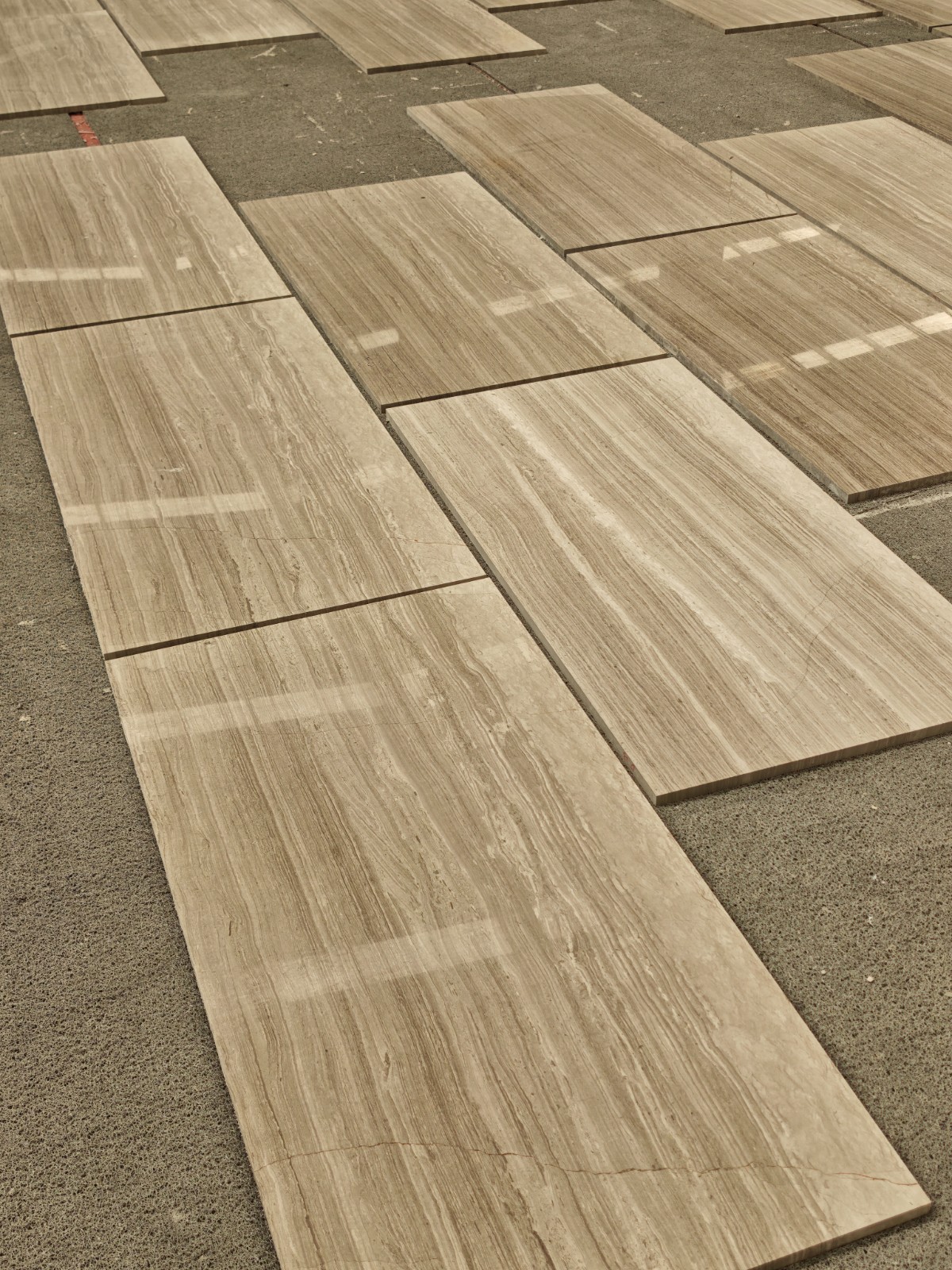
Our top-down floor photograph provides an honest and detailed view of these tiles in a real installation. The image shows approximately ten square meters of white wood grain tiles laid in a staggered pattern. The lighting is natural, which accurately represents the true color and texture of the tiles.
In the photograph, you can observe several important details:
The grain patterns flow continuously from one plank to the next, with minimal repetition.
The grout lines are narrow and discreet, creating a nearly seamless surface.
The surface reflects light softly, enhancing the sense of space.
The edges are clean and precisely cut, demonstrating high manufacturing standards.
This photograph is not digitally enhanced. It shows exactly what you will receive when you order these tiles. We encourage you to study the image closely and compare it with images of marble flooring, natural stone, or artificial stone installations. You will see that tiles offer a level of refinement and consistency that is hard to match with natural materials.
8. Environmental and Health Benefits of Tiles
Sustainability is an important consideration for modern construction. Tiles are made from natural clay, feldspar, and quartz, which are abundant and non-toxic. The manufacturing process involves high-temperature firing, which eliminates organic contaminants and results in a product that emits zero VOCs. This makes tiles a healthy choice for indoor air quality. Tiles are also recyclable. At the end of their long service life, tiles can be crushed and used as aggregate in new construction materials.
In contrast, some artificial stone products contain resins that can release low levels of VOCs. While these emissions are generally within safety limits, they are still worth considering for enclosed spaces. Natural stone, including marble, is also VOC-free, but its extraction and transportation have a higher environmental footprint. Tiles offer a more sustainable balance of performance and environmental impact. If you are seeking a green building material, tiles are an excellent choice.
9. Cost Comparison: Tiles, Marble, and Artificial Stone
Budget is a crucial factor in any flooring project. Let us compare the average costs of tiles, marble, and artificial stone.
Tiles: White wood grain tiles are moderately priced, typically ranging from $3 to $8 per square foot for the material. Installation adds another $4 to $7 per square foot. The total cost is predictable and affordable.
Marble: Marble flooring is significantly more expensive. Material costs start at $10 per square foot for basic varieties and can exceed $30 per square foot for premium stones. Installation costs $8 to $15 per square foot. Additionally, you must factor in periodic sealing and polishing costs for marble.
Artificial Stone: Artificial stone is not commonly used for flooring, but if it were, the cost would be comparable to marble or higher. Artificial stone slabs for countertops typically range from $50 to $100 per square foot.
When you calculate the total lifecycle cost, including maintenance and repairs, tiles are the most economical choice. They provide exceptional value without compromising on style or performance. Marble and artificial stone are significantly more expensive and require more ongoing care.
10. Who Should Choose These Tiles?
White wood grain tiles are suitable for a wide range of users and applications:
Homeowners who want the look of wood without the vulnerability to moisture and scratches.
Interior designers who need a versatile, neutral floor that works across different rooms.
Commercial property owners who require durable flooring that withstands high foot traffic.
Real estate developers who want to add value and marketability to their projects.
Families with children and pets who appreciate stain-proof, scratch-resistant surfaces.
Eco-conscious consumers who prefer low-VOC, recyclable materials.
If any of these descriptions fit your situation, tiles deserve serious consideration. Marble and artificial stone may have their place, but for most flooring projects, tiles are the most balanced and practical solution.
11. Frequently Asked Questions
Q: Can these tiles be used outdoors?
A: Yes, provided they are rated for exterior use. Check the manufacturer's specifications for frost resistance and slip rating.
Q: Do these tiles require sealing?
A: No. The glaze and body of the tiles are inherently waterproof. Only the grout lines may need sealing.
Q: How do these tiles compare to luxury vinyl planks?
A: Tiles are harder, more durable, and more environmentally friendly than vinyl. Tiles also add more resale value.
Q: Will the white color yellow over time?
A: No. The pigments are fired into the glaze, making them UV-stable and resistant to yellowing.
Q: Can I install these tiles myself?
A: If you have experience with tile installation, yes. For large areas, we recommend hiring a professional.
12. Final Recommendation
White wood grain tiles combine the natural beauty of wood with the durability and low maintenance of ceramic engineering. These tiles eliminate the drawbacks of materials like marble and artificial stone while preserving all the visual qualities that make those materials desirable. Our top-down photograph provides proof of their quality. You can see the precision, the texture, and the luminosity for yourself.
We invite you to view this image alongside samples of marble flooring, natural stone, and artificial stone. We are confident that these tiles will stand out as the most balanced and sensible choice for your space. Whether you are renovating a single room or designing an entire building, tiles offer a solution that is beautiful, practical, and enduring. Tiles are not just flooring; they are an investment in comfort, style, and peace of mind. Choose tiles for your next project and experience the difference.
About Us
Silvia | Fortune East Stone
📧Email: sales05@fortunestone.cn
📞Phone/Whatsapp: +86 15960363992
🌐Websites: www.fortuneeaststone.com
🌐About Us : https://www.festonegallery.com/
